Less Expensive and Faster Service providing more options besides Comcast.
Are you interested in a reliable alternative to Comcast for your internet services? So are we, did you know the city of Eugene has fiber optic cable already installed in most streets but not hooked up to certain neighborhoods? The South West Hills neighborhood is one of them. If enough resident request service we can expand access to higher speed internet to the area. Providing better service for lower prices.
Why Fiber?
Studies show homes connected to publicly owned fiber increase 3.1% in value. Fiber Internet enables every cutting-edge technology from streaming TV services, to working from home, to things we haven’t even dreamed of yet. We provide the fastest fiber service available, at one of the lowest prices in the country.
The internet provider (OnlineNW & XS Media) has a survey to gauge neighborhood interest around Eugene. Please fill it out here and support the expansion effort to provide options to more neighborhoods: https://onwxsm.servicezones.net/CityofEugene
We want to expand broadband opportunities to your community. But with many areas to choose from, our next move depends on your response. By doing our survey, you show us where demand for our services is greatest. Where we see great demand, we will do an in-depth assessment of the potential network area. If viable, we will build first to those who want it most. So encourage your neighbors to take our survey or sign up for services. Each response increases the chance of network expansion to your area.
The Best of The Best
Fiber speeds are symmetric, meaning that they operate at the same speed when downloading or uploading—an unrestricted network to support all of your remote work, gaming, video conferencing and emailing needs. One single strand of fiber delivers data at speeds up to 1 Gbps (1000Mbps), roughly 100 times faster than the average home in the US today. Our wireless network is also strong and reliable, providing speeds up to 50 Mbps and offering the flexibility to provide internet connectivity in many underserved areas that are difficult to reach with hardwired services.
With our reliable fiber or wireless service, you can work from home hassle-free—no more long waits to upload or send messages, or to join video conferencing meetings. Chat online, stream movies and shows, send and receive family photos, and video chat with friends and loved ones, all at lightning-fast speed.
*Disclaimer: This is not sponsored by the provider just based on general interest in improving the internet connectivity options in our neighborhoods.
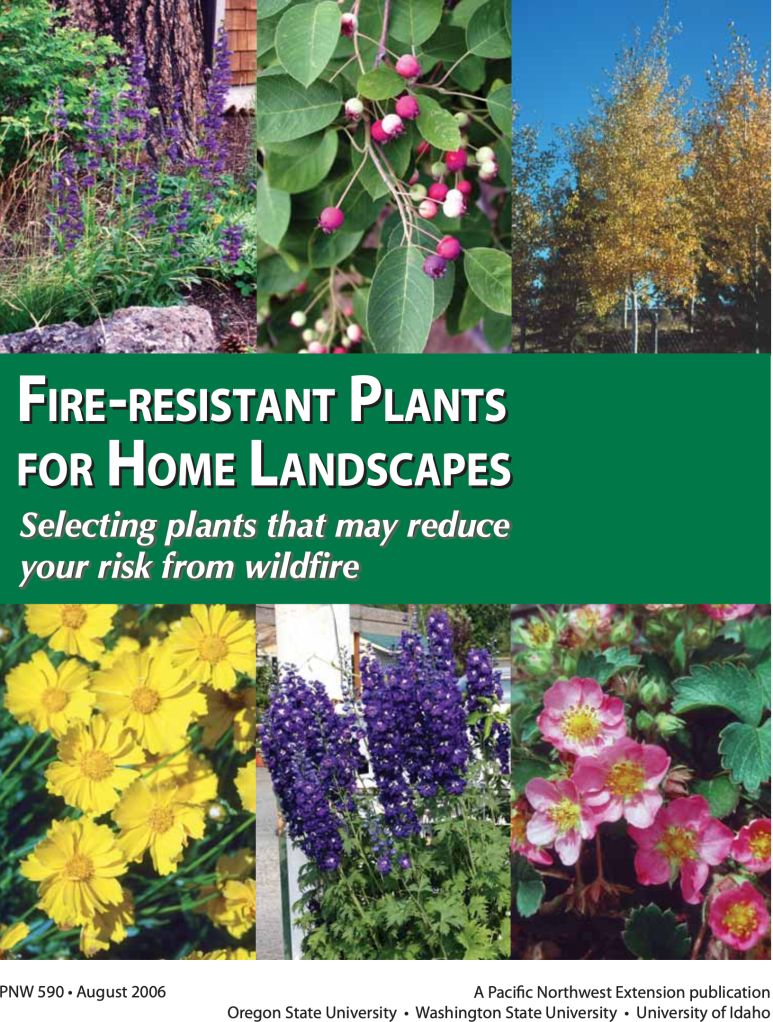
The probability of a home surviving a wildfire greatly increases with two fire-wise home improvements: fire-retardant building materials and, in the yard, the creation of defensible space. Learn how to design an effective and beautiful fire-safe landscape that could save your home.
In the wake of the relief effort after California’s recent wildfire devastation, a major component in fire-safe home rebuilding is “defensible space”—a specially planned and designed area around your home that provides maneuvering space for firefighters, serves as a barrier to impede raging wildfires from getting to your doorstep, and prevents house fires from spreading to the wild. In contrast to the traditionally lush American yard, a defensible space uses the judicious selection and placement of plantings as a strategy to decrease the spread of fires.
Since many homeowners neglect to incorporate defensible space into their landscaping—fire-safe designs have a reputation of diminishing curb appeal—California has initiated the Why 100 feet? campaign, complete with billboards lining the interstate. Effective January 2005, a 100-foot defensible space around homes, following a two-zone model, was required by California state law. Defensible space doesn’t have to be unsightly, though. In fact, a working knowledge of how defensible space can save your home, as well as an understanding of the right plants to use, may sway even the most fastidious of gardeners.
Zones
While California only requires a mandatory 100-foot defensible space in two zones, models can include up to four zones. Zone 1—the area closest to your home and any other structure on your property, like garages and guest houses—is the immediate perimeter, extending 30 feet out from the edge of the structure. Applying defensible design in this space, along with clear street signs and house numbers, will make it easy for fire-safety workers to get to you in an emergency. Zone 2 extends 70 feet past the end of Zone 1, completing the mandated defensible space area for California residents. However, if your property line lies beyond the 100-foot defensible space, you should also maintain any forested areas in Zones 3 and 4 of your property by trimming trees to keep them clear of each other and removing litter.
Zones 1 and 2 make up the area immediately surrounding structures on your property. These areas must be well irrigated and consideration must be given to the types of plants used, and the clearance between them Photo by Courtesy CAL FIRE
Defensible Design Principles
A common misconception is that defensible landscape design calls for the stripping of visually appealing trees and plants, leaving a barren wasteland of a yard. But, plants—even severely burned ones—can provide stability to the land by way of their root systems, reducing the risk of erosion after a fire. Instead, you’ll want to pay attention to:
Reduction of Plant Fuels
The excess and/or dead plants surrounding your home act as fuels when fire strikes. Remove them from your defensible space, replacing more flammable varieties with fire-resistant ones recommended by your local nursery.
Use native plants in your defensible space. “Native species—a good southwestern Colorado example is buffalo grass—are fire-adapted, which means that their tops may burn off in a fire, but the roots develop to such an extent that they are the first to regenerate after a fire,” says Jeff Burns, a forester with the Colorado State Forest Service’s Alamosa District. These plants offer the fire-wise trait of being easy to maintain, and strong root systems will reduce property damage from erosion. The fire-adaptive traits of native plants ensure the preservation of native species and allow for a landscape that is more likely to survive exposure to extreme heat.
Trees and shrubs can be used in all defensible space zones, including Zone 1, provided they are a safe distance from other plants and any structures (more on that below). The trees you select for your landscape should be low in resin and sap content, with no rough bark. Consider replacing shrubs with a less flammable groundcover.
Consider the litter that plants create in the off-season. Try to select plants that shed minimal amounts of needles, leaves, and other waste. Any area where the ground is thickly covered with pine needles is at high risk, since the presence of very aromatic, dry litter increases flammability in fire-prone locations.
Visit a local nursery and talk to a grower about which plants will work for your defensible space. You can also call your local fire authority or contact a Firewise Community/USA representative.
Incorporate fuel breaks like gravel and stone into your landscape. In the first 3 to 5 feet of Zone 1, replace all of the plants closest to the perimeter of your home with a bed of gravel. Replace mulch with flame-resistant landscaping materials by weaving gravel and stone pathways into your design. The use of these accents will provide visitors with safe passage to view your living collection and impede approaching flame in the event of a wildfire.
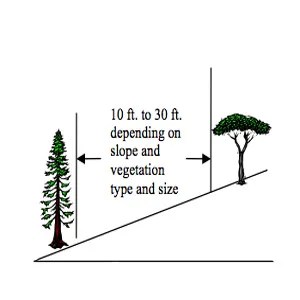
Distance between trees for defensible-space landscaping Courtesy of CAL FIRE
Size and Placement of Plants
Now that you’ve picked flame-resistant plant varieties for your defensible space, you should follow a few guidelines when planting them.
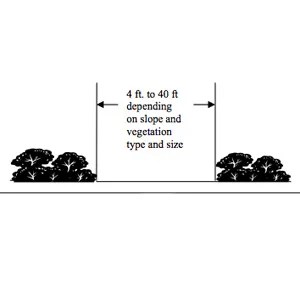
Break up continuity of growth and eliminate ladder fuels. Depending on the slope of your land, trees and plant clusters should be vertically and horizontally clear of one another, since groupings of short and tall plants create an opportunity for easy flame transfer. Make sure trees are trimmed clear 6 to 10 feet off the ground. Keep in mind that fire travels faster up slopes, so the space between plants must be greater than it would be on level ground. For example, a 0 to 20 percent slope requires 10 feet of distance between tree crowns, while a 20 to 40 percent slope requires a 20-foot clearance between tree crowns. Depending on the slope of your property, you may need to clear tree branches 20 to 40 feet from the ground. It’s essential to determine the slope of your property before planning your design. Refer to slides 3 to 5 at left for some basic guidelines.
Make sure that any Zone 1 trees are clear of your home, with branches making no contact with roofing or siding.
Maintenance and Cleanup The key to an effective defensible space is eliminating fuels, so make sure you get rid of dead trees and plant debris promptly.
Zones 1 and 2 must be well irrigated. You might even consider installing drip irrigation.
Mow, prune, and trim all zones regularly to maintain defensible spacing between trees and plant clusters. Then, dispose of litter promptly and appropriately. Consider mowing with a manual mower or string trimmer, to avoid sparks and oil leaks that can start and fuel fires.
Check and clean gutters regularly, making sure they are free of plant and tree litter.
Place woodpiles outside of Zone 1, or 30 feet away from your home.
Thin out and space trees in areas maintaining forestry—typically Zones 3 and 4. Follow the spacing guidelines above and remember to be mindful of slope.
Distance between plantings for defensible-space landscaping Courtesy of CAL FIRE
For more on landscaping your defensible space and native plants in your region, contact your local state forester. You can find contact information in the National Association of State Foresters directory
If you would like to review previous presentation, a recorded copy of a rEV Up! Workshop can be found on the “Events” and “rEV Up!” pages of the Emerald Valley Electric Vehicle Association, EVEVA website at www.eveva.org. Also there are links to useful resources for those curious about or shopping for electric cars to aid in their exploration of electric vehicles.
EVEVA also has program where you can talk to local car owners about the particular vehicle you are looking at to ask questions about their experience, write to AskAnOwner@eveva.org.
EWEB, EPUD and Forth are cooperating to offer Electrifyze, a program which will provide an EV coach to answer questions and provide information as you shop for your own electric vehicle. https://www.electrifyze.com/lane_county
Here are links to resources mentioned during the worshop:
Bonus Link: There’s a fun and informative tool developed by MIT that lets you look at total vehicle ownership costs graphed against carbon emissions. https://www.carboncounter.com/
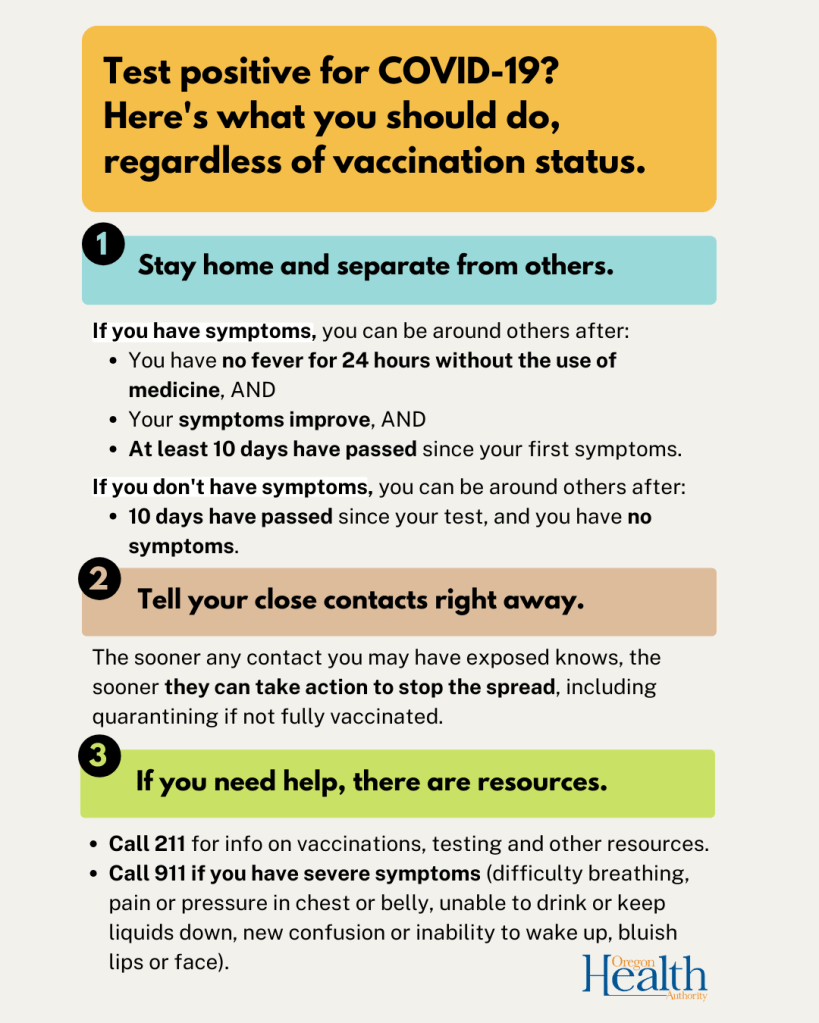
Testing positive for COVID-19 can make anyone feel nervous. Knowing what to do when you get a positive test result is important for your health and the health of people around you. The first thing to know is that you should do the same things whether you are fully vaccinated, partially vaccinated, or unvaccinated.
Since Oregon is currently experiencing a large number of COVID-19 cases, it is straining case investigation and contact tracing resources. This means you may not receive a phone call from your health department after you test positive.
Here’s what to do if you have COVID-19:
Stay home and stay separate from others.
If you have symptoms you can be around others after:
You have no fever for 24 hours without the use of medicine, AND
Your symptoms improve, AND
At least 10 days have passed since your first symptoms.
If you don’t have symptoms you can be around others after:
10 days have passed since your test, and you have no symptoms.
Tell your close contacts right away so they can isolate and stop the spread.
Tell your close contacts right away
The sooner you let anyone you came in close contact with before your diagnosis know, the sooner they can take action to stop the spread, including quarantining if not fully vaccinated.
If you had or have symptoms: Contact the people you were in close contact with beginning 2 days before your symptoms began.
If you did not or do not have symptoms: Contact the people you were in close contact with beginning 2 days before you took your COVID-19 test.
If you need help you can:
Call your local public health department if you need support to isolate.
Call 211 for information on vaccinations, testing, and other resources
Call your health care provider if you’re concerned that your symptoms are not improving.
The feelings of grief, loss and loneliness that we may have right now are normal. The loss of each of our loved ones is painful and the impacts ripple outward. We are also mourning and handling many other kinds of losses.
A lot of us have been wearing masks for a while. If you have kids over age two, chances are they’re great at it too.
As parents, we’re asked to do a lot to keep our kids safe. It’s been especially true through this pandemic. It is normal to feel anxious, unsure and tired. With school starting so soon, it’s okay to feel uncertain about how to talk to kids about masking. OHA’s statewide rule for 2021-22 school year requires face coverings in all indoor school settings, both public and private, for all people two years and older, including all students, staff, contractors, volunteers and visitors.
Here are some tips to support your kids to feel confident in choosing to mask up at school:
Kids pick up on our moods even before we’re aware of them. Having a talk with your kids about their feelings and worries is a great first step. Acknowledging those emotions and working together helps everyone feel supported.
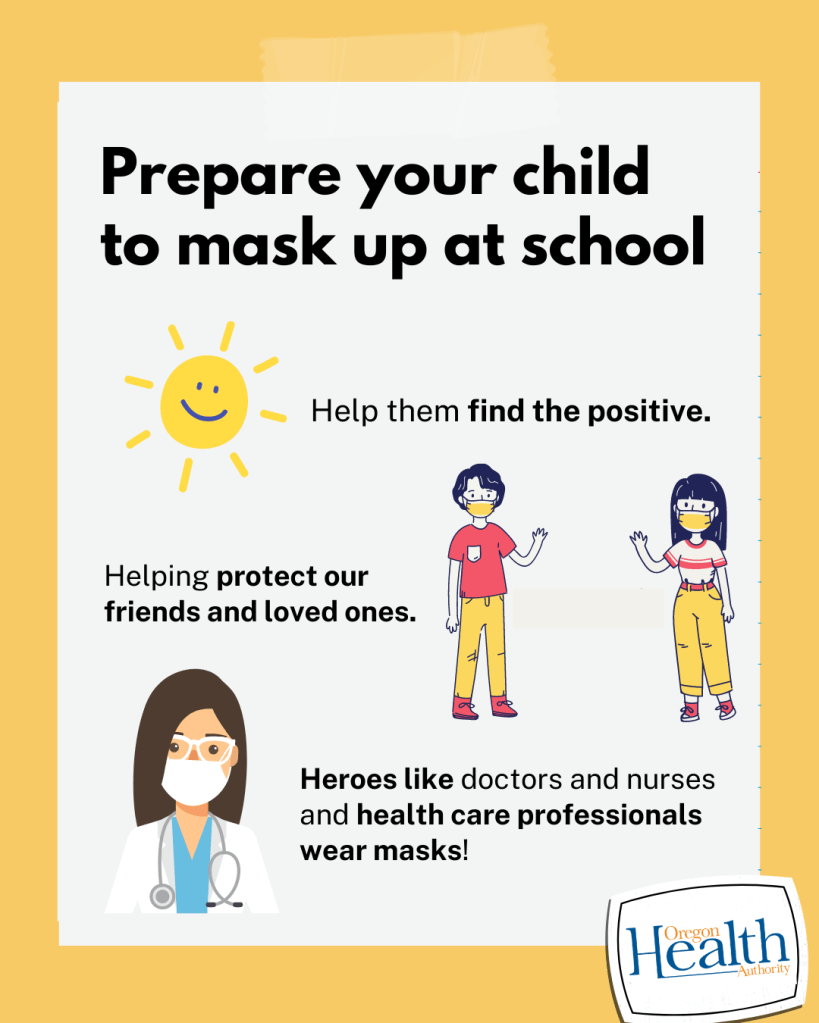
By now, your kids know why wearing a mask is important. (Thank you so much!) Kids love helping. For younger kids, try and find the positive reasons why wearing a mask is important.
Model masking yourself and through others by talking about other heroes who wear masks. Heroes like doctors and nurses and health care professionals wear masks! Your kids may respond best to superheroes or cartoon characters.
Practice effective masking at home. Practice putting on and taking off masks in front of a mirror. Have fun adjusting the straps and nose pieces. Younger kids love playing teacher, you could do an art project together while wearing your masks.
Encourage them and notice good masking behavior. No matter the age, let them know that you’re proud of them and that they should be proud of themselves! Thank them for being amazing helpers and friends.
Prepare them for mask free times such as lunch or recess. Let your children know it’s okay to take off their masks when they’re eating and drinking with others. You’re already doing an amazing job teaching them to be comfortable with their bodies. A mask is just another side of it.
Practice talking about masking: When at school, your kids will meet friends who have different ideas about masking. Be open and honest about your family culture and your feelings. Role-playing is a great way to problem solve and practice together. There are so many great and kind ways to build confidence in masking as a safe practice with statements like, “I like my mask. I feel safe with it on, and I hope you to feel safe with me too.” No matter what, let them know there are safe adults who will support them in school.
Prepare yourself for the after-school check in. It’s okay to want to ask if they felt safe and if they had problems with their mask that you could solve together. Let it be a part of the conversation.
Talk to your teacher about masking encouragement, enforcement and support. Honest conversations do so much and may help navigate all those emotions we’re feeling.
Masks Required Indoors Statewide – Begins Friday, August 13
This morning Governor Kate Brown announced a statewide mask requirement for all indoor public settings, including businesses, regardless of vaccination status, effective this Friday, August 13. The new mandate comes as COVID-19 hospitalizations break records throughout the state due to the highly transmissible delta variant.
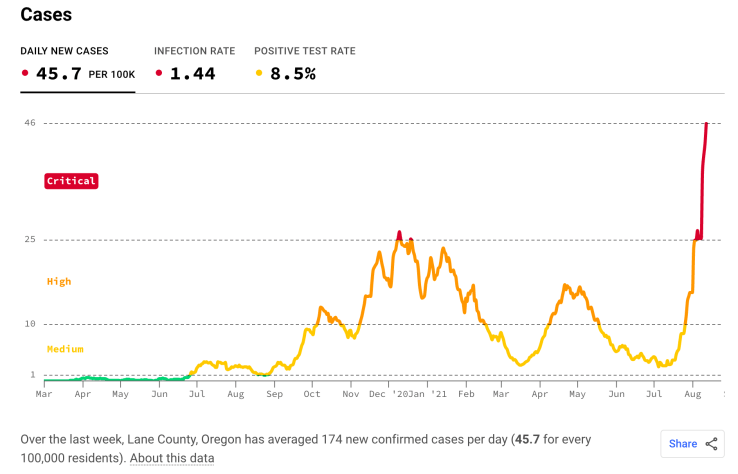
Yesterday, 264 positive cases were reported in Lane County within 24 hours – the highest one day total for the county since the pandemic began in 2020.
The number of hospitalizations of Lane County residents with COVID-19 is also exceeding daily census counts observed during the winter surge and stressing the capacity of our local hospital system. Lane County, as Oregon’s second largest regional hospital hub, is receiving patients from other counties in Southwest Oregon. Statewide hospital capacity for COVID-19 patients is concerning as over 590 individuals were hospitalized in Oregon on August 9, 2021, over 150 of whom were in Intensive Care Unit (ICU) beds. You may remember that 300 hospitalized COVID-19 patients was previously considered a critical data point for the state.
Breakthrough cases (fully or partially vaccinated individuals who subsequently test positive for COVID-19) make up roughly 20% of the current cases.
Vaccination remains our most important tool in fighting the COVID-19 pandemic, particularly when coupled with masking and social distancing, and significantly reduces the risk of severe disease. You can view information on vaccination availability (including primary care providers and pharmacy partners) and clinics on Lane County’s website.
Lane County Public Health Offers $50 Gift Card to Anyone Who Receives a Vaccine at an LCPH Vaccination Clinic
Effective today, Lane County Public Health (LCPH) will offer $50 Visa cards to anyone over the age of 12 who receives a vaccine from a Lane County Public Health vaccine clinic. The first clinic the $50 incentive will be offered at is this evening from 4-6 PM at Churchill High School and is open to all community members.
The $50 incentive is ONLY offered at LCPH vaccine clinics. It is not available at the Community Health Centers of Lane County, pharmacies, or other provider clinics.
FAQs:
Who is eligible?: All unvaccinated Lane County residents over the age of 12.
How does it work?: The $50 will be issued in the form of a Visa card at the time of vaccination that can be used anywhere that accepts Visa. Participants will receive $50 per dose (1 card for the first dose, 1 card for the second dose)
What about the 1-dose Johnson & Johnson vaccine?: Johnson & Johnson recipients will only receive one $50 card.
Is there a household limit?: No. all individuals over the age of 12 in a household are eligible to receive a $50 card.
OHSU Statement on COVID-19 Forecast and Delta Variant
The delta variant of COVID-19 is extremely contagious, and Oregon is now facing a spike in COVID-19 hospitalizations because of it. When our hospitals are full, all Oregonians are at risk.
The latest data on the delta variant and its predicted impact on Oregon is dire. By Labor Day, Oregon Health and Science University (OHSU) predicts that the state will be short 400-500 needed staffed hospital beds. This means that some Oregonians will not be able to get hospital care for COVID-19 or any other condition.
Cases are rapidly rising and the current forecast predicts that Oregon will have more than 1,000 hospitalized COVID-19 patients by Labor Day. This is the worst-case scenario that Oregonians worked so hard to avoid since March of 2020.
Lane County residents can schedule a vaccine appointment directly by visiting the Lane County COVID-19 Vaccine Clinics webpage. You can also schedule an appointment at one of many local pharmacy providers. See links to participating pharmacies. Take the first appointment available to you whether from Lane County, your primary care provider or your pharmacy.
Lane County Public Health Resumes Weekly COVID-19 Press Conferences
In order to provide greater clarity around the recent rise in COVID-19 cases, communicate what tools will enable our community to mitigate this rise, and help local media partners have greater access to public health professionals, Lane County Public Health has resumed weekly press conferences.
The first press conference was held today, and will take place every Wednesday at 10:30 a.m. Community members and members of the media are welcome to watch and interact by logging on to the Lane County Health & Human Services Facebook Page where the conferences will be broadcast live.
See a list of Community Resources for physical and mental health, food, housing, businesses, employees, schools and children, as well as information in Spanish.
Also learn how you can help. Our partners have a significant amount of information available online. Please visit these resources for the most up to date information:
Today, Governor Brown announced statewide indoor mask requirements. Indoor mask use will be mandatory starting Friday, Aug. 13, in response to surging COVID-19 cases and hospitalizations. Additionally, it’s become clear that gatherings should take place outside as much as possible.
We all hoped the days of regular mask-wearing were a thing of the past for vaccinated Oregonians. Unfortunately, the Delta variant has changed that.
Based on the modeling released this week from Oregon Health & Science University (OHSU), August and September will challenge all of us, because it’s clear that the pandemic is surging back. The fifth wave is much more severe than could have been anticipated just weeks ago.
Medical experts now know that the Delta variant of COVID-19 creates a larger viral load in our systems and the virus stays in our systems longer. This means it’s far more contagious.
Today, Oregon smashed its previous record for hospitalizations due to the virus with 635 people in hospitals across the state. The previous record was 584 last November. We are on pace to exceed the number of available hospital beds in the state by around 500 patients by early September, per OHSU projections. Today’s record number of hospitalizations is a stark reminder that the pandemic isn’t over and that the Delta variant, which is now the dominant variant circulating in Oregon, is 2–3 times more infectious than early COVID-19 variants.
This means our hospital capacity is as low as it’s ever been. While this is a risk for COVID patients, it’s also an enormous risk for other Oregonians who are sick or need surgery but won’t have access to a hospital bed.
If you are unvaccinated, please get vaccinated as quickly as possible. Vaccines are safe, effective and widely available. While it’s discouraging to see some breakthrough cases, vaccinated people are still much less likely to get severely ill or die. The CDC noted this week that 99.999% of fully vaccinated Americans have not had a deadly COVID-19 breakthrough case.
Vaccines are also the best way to prevent the growth of a new variant that may be stronger than Delta. Let’s all commit to stopping the next variant!
While this news is certainly distressing, let’s remember that we’ve successfully flattened the curve four times. Now, we must do it again. Try to be as cautious as you can – double-mask, stay home, do all the things that have kept us safe so far.
Recommendation on additional vaccine dose for immunocompromised people in Oregon
Before the additional dose can be administered to immunocompromised patients in Oregon, the CDC recommendation must be reviewed and approved by the Western States Scientific Safety Review Workgroup, which meets today, Aug. 13.
The workgroup’s decision will be published on OHA’s website as soon as it is available.
School-Based Health Centers and Vaccinations
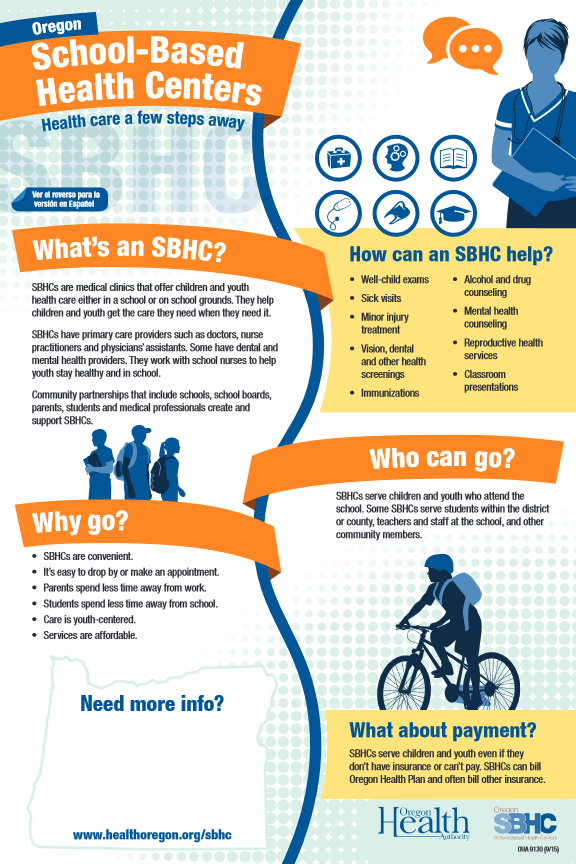
School-Based Health Centers (SBHCs) are a vital community tool for supporting young people’s health and well-being. Located in schools or on school grounds, these clinics provide medical care, behavioral health services and, often, dental services to school-aged youth. Oregon has over 75 SBHCs across the state which makes them easily accessible for many families. SBHCs can make sure that your child is prepared to start the school year healthy. They offer well-child visits and can ensure that children are caught up on the immunizations required for school. The health care staff is also ready and willing to answer your questions about vaccination. And if your child is 12 or older, an SBHC can also provide them with the COVID-19 vaccine. To learn more about SBHCs, check out the full story on the Oregon Vaccine News blog.
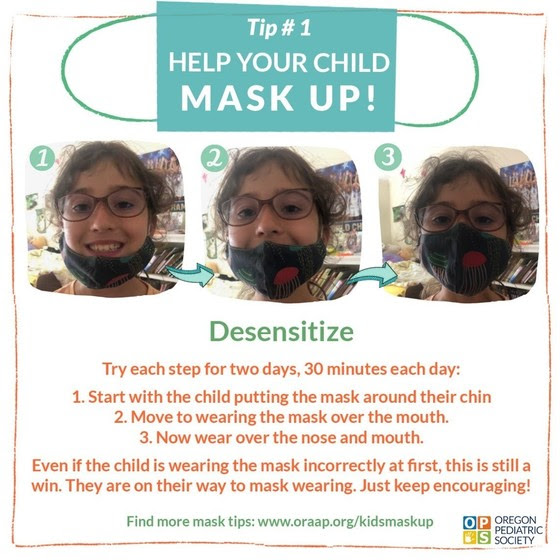
Helping children wear masks
While masking has become a routine practice for many of us, kids who are mostly at home have been able to avoid wearing masks for long periods. With school starting soon, some kids may need a little help getting comfortable with masking up. Masks will be required for Kindergarten through 12thgrade in Oregon.
Children who are sensitive may find it difficult to become comfortable with wearing a mask. Dr. Elizabeth Super, a pediatrician at Oregon Health & Science University’s Doernbecher Children’s Hospital, wrote a great article called, From “No!” to Masking Pro: Helping Your Hesitant Child Mask Up,on the Oregon Pediatric Society’s website.
Dr. Super gives the following tips as a as a pediatrician and a parent of two school age children:
Encourage: The more you wear the mask, the better!
Model: Put masks on your children’s teddy bears and draw pictures with masks. Point out celebrities and athletes who are wearing masks if you are watching television together.
Positive Reinforcement: Reward for mask time ON, not for the mask being off.
Routine: Make masking part of your routine. Try out different masks. Some children prefer different textures. Have children pick out fabrics to sew home-made masks.
Storytelling: “Other heroes wear masks, too! Firefighters, pilots, and doctors wear masks. Now you can be a hero and wear a mask, too.”















 SHiNA
SHiNA 